
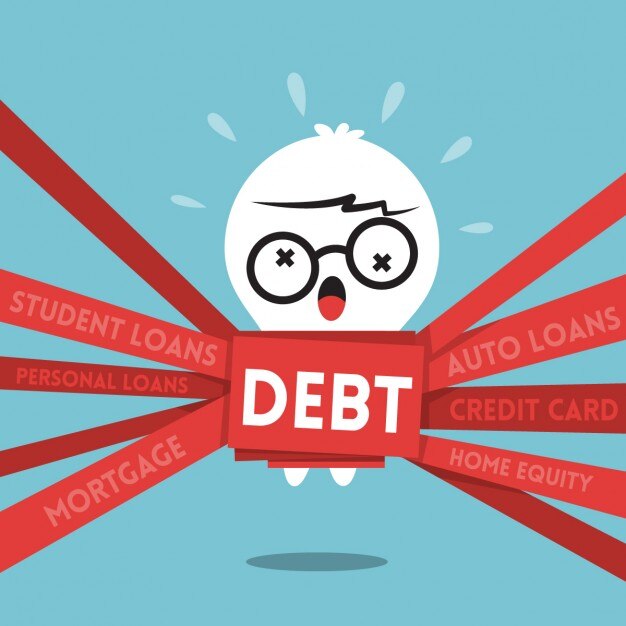
In the rapidly evolving financial landscape of April 2026, borrowers in India are navigating a complex regulatory environment. With the recent implementation of the RBI Weekly Reporting Mandate, your credit status is no longer a monthly update; it is a real-time reflection of your financial health. For those struggling with unmanageable unsecured debt and the weight of relentless collection tactics, understanding the legal framework of Loan Settlement is essential to ending Bank Harassment and reclaiming your peace of mind.
A Debt Settlement is a formal legal agreement where a lender agrees to accept a sum that is less than the total outstanding balance to close the account. However, without a clear grasp of the legalities involved, a borrower can easily fall into traps that lead to further intimidation and financial distress.
The Legal Foundation of Settlement in 2026
Under the July 2026 RBI Responsible Business Conduct Directions, the process of settling a debt has become more transparent, but the legal burden of proof remains with the borrower. There are three critical legal pillars you must understand before initiating the Loan Settlement process:
-
The Right to Negotiation: Every borrower facing genuine financial hardship has the legal right to approach their bank for a resolution. Under the current “Fair Practice Code,” banks are encouraged to settle “toxic” accounts rather than pursuing expensive litigation, especially when Bank Harassment has been reported.
-
Settlement vs. Waiver: Legally, a Debt Settlement involves a “waiver” of certain components—usually penal interest and late fees. It is vital to ensure that the principal amount is also addressed if the hardship is severe.
-
Reporting Requirements: In 2026, banks are legally obligated to report the status of a settled account to credit bureaus within a specific timeframe. Understanding the legal nuance of how a settled account appears on your report is key to future financial health.
3 Non-Negotiable Legal Safeguards
To ensure your Loan Settlement is legally binding and protects you from future claims or continued Bank Harassment, you must adhere to these three safeguards:
1. The Power of the Official Offer Letter
In the eyes of the law, verbal promises from recovery agents have zero validity. In 2026, many third-party agencies use high-pressure tactics to secure “token payments” by promising a settlement later.
-
Legal Rule: Never transfer funds until you possess a Settlement Offer Letter on the bank’s official letterhead. This document is your only legal protection. It must clearly state the settlement amount, the waiver percentage, and the deadline for payment. Possession of this letter is often enough to stop Bank Harassment immediately.
2. The Hardship Portfolio as Evidence
Under the 2026 RBI Guidelines for Distressed Assets, lenders are more likely to offer a favorable Debt Settlement if the borrower provides documented proof of “Inability to Pay.”
-
Legal Action: Assemble a portfolio including medical records, termination letters, or business loss statements. Presenting this evidence moves the discussion from a “refusal to pay” to a “legal inability to pay,” which carries more weight if you need to escalate a complaint regarding Bank Harassment to the Banking Ombudsman.
3. The No Dues Certificate (NDC)
The Loan Settlement process is not legally complete until the bank issues a No Dues Certificate (NDC). This document is your ultimate legal shield. It proves that the bank has no further claim over you. Without an NDC, a bank could theoretically restart Bank Harassment or sell your “residual debt” to a third-party collection agency years later.
Reclaiming Your Financial Life
Mastering the legalities of Debt Settlement allows you to move from a position of fear to a position of power. Once the legal requirements are met, you can focus on:
-
Ending the Cycle: Silence the home visits and recovery calls by pointing to your legally binding settlement agreement.
-
Credit Rehabilitation: Using the new weekly reporting cycles to rebuild your score through secured credit once the Bank Harassment has ceased.
-
Asset Protection: Ensuring that a settled unsecured debt cannot lead to a “set-off” against your other savings accounts.
Conclusion: Expertise is Your Best Defense
In 2026, the rules of the game have changed. While the law is more supportive of the borrower’s right to a fresh start, the complexity of Loan Settlement requires professional handling to avoid legal pitfalls. By understanding your rights and the bank’s obligations, you can navigate the path to being debt-free with confidence.
Are you ready to resolve your debt with legal certainty and end the threats? Visit Bank Harassment today for a confidential Case Review. Let our experts build the roadmap you need for a permanent Debt Settlement and a brighter financial future.