
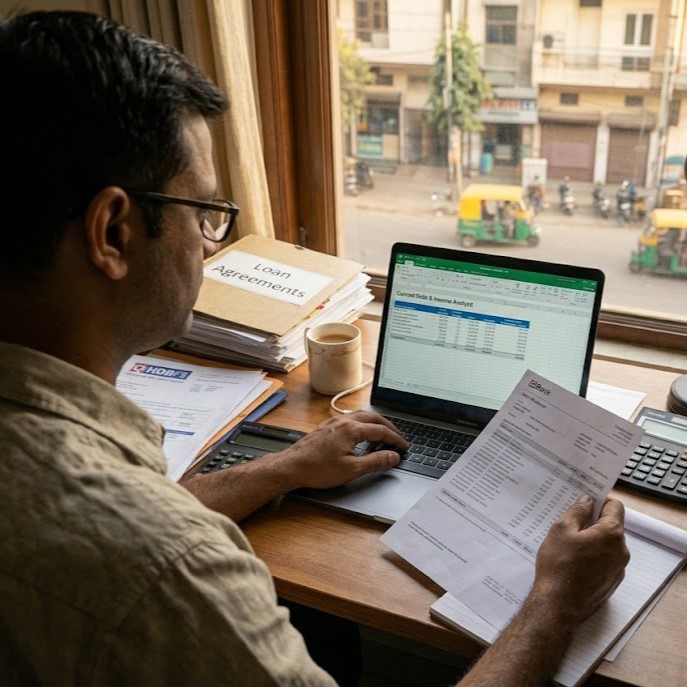
The Indian fintech ecosystem is expanding rapidly, and one of its latest trends is the rise of Rent Now, Pay Later (RNPL) platforms. Designed to help salaried professionals handle the heavy upfront costs of moving houses—such as massive security deposits and multi-month advance rent—RNPL converts a large, one-time cash outflow into fixed monthly installments.
On paper, it sounds like an ideal solution for young workers relocating to major rental hubs like Bengaluru, Mumbai, or Delhi-NCR. However, adding an extra monthly loan payment on top of your regular house rent can quickly destabilize your household finances. If an unexpected job loss or a medical emergency hits your family, this modern convenience can push your monthly budget over the edge, pulling you into a high-interest debt trap. Here is how these micro-loans function behind the scenes and how to navigate the recovery pressure if you are forced to consider a formal resolution.
The Reality of RNPL Services
Many people mistake RNPL for a standard utility payment tool or a simple credit line, but it is actually a formal, legally binding credit product. When you sign up for a rent now pay later service, the fintech platform does not just give you an informal installment plan. Instead, an institutional partner—typically a registered Non-Banking Financial Company (NBFC)—grants you an unsecured short-term personal loan.
The platform pays your landlord the full security deposit or a multi-month block of rent upfront. In return, you sign an electronic mandate (NACH) to let them automatically withdraw monthly payments from your bank account.
The danger lies in how this structure stacks your liabilities. You are now responsible for paying your regular monthly rent to your landlord plus an extra monthly payment to the fintech lender to clear the advance loan. This means more than half of your monthly take-home pay can get locked into housing costs, leaving your budget completely exposed to any sudden drop in income.
The Evolution of a Multi-Lender Crisis
When an unexpected financial shock hits, the dual burden of paying rent and an RNPL installment can quickly overwhelm a household. Borrowers often fall into a predictable, high-risk pattern trying to keep up:
-
The Shielding Phase: Borrowers prioritize the RNPL payment because they are afraid of automated bank bounce fees and the constant automated phone reminders.
-
The Secondary Debt Trap: To cover daily living expenses and their regular rent, they start dipping into credit cards or taking out high-interest, short-term digital pocket loans.
-
The Breaking Point: Within three to four months, this cycle catches up with them. They find themselves stuck in an unmanageable crisis, juggling multiple lenders and facing a massive drop in their credit rating.
Once you reach a point where your total income cannot cover your basic living costs and your mounting short-term debts, trying to borrow more money to stay afloat is no longer a viable option. At this stage, your priority must shift from protecting a temporary credit score to preserving the cash your family needs to survive.
The Resolution Roadmap: Settling Short-Term Fintech Debt
If you find yourself stuck in a corner with defaulted RNPL micro-loans, a structured loan settlement is a practical way to break free from the cycle. However, negotiating a compromise with a digital fintech platform works a bit differently than dealing with a traditional brick-and-mortar bank.
Fintech lenders rely heavily on automated collection systems and third-party recovery agencies to pressure borrowers early on. Because their operational costs are high and these are short-term, unsecured loans, they are often willing to negotiate deep waivers once an account passes the 90-day delinquency mark and enters Non-Performing Asset (NPA) territory.
To protect yourself during this process, make sure to move all communications to official email channels. Demand a formal, system-generated Settlement Sanction Letter directly from the partner NBFC before transferring any funds, and ensure it explicitly states that the payment closes the entire loan liability.
Conclusion: Take the First Step Toward Recovery
Modern fintech tools offer quick convenience, but they can easily turn into an unmanageable financial burden if your cash flow drops. Recognizing when a debt structure has become unsustainable and taking organized, legal steps to resolve it is the first step toward reclaiming your peace of mind.
If you are currently feeling overwhelmed by mounting fintech EMIs, constant collection pressure, and shrinking bank balances, you do not have to handle this institutional machinery alone. Connect with the specialized debt resolution team at Bank Harassment today. Our experienced negotiators and financial advisors will step in to act as your shield. We will centralize your communications, protect your core consumer rights from aggressive collection tactics, and execute a structured roadmap to secure an affordable, legally sound compromise that closes your liabilities once and for all!