
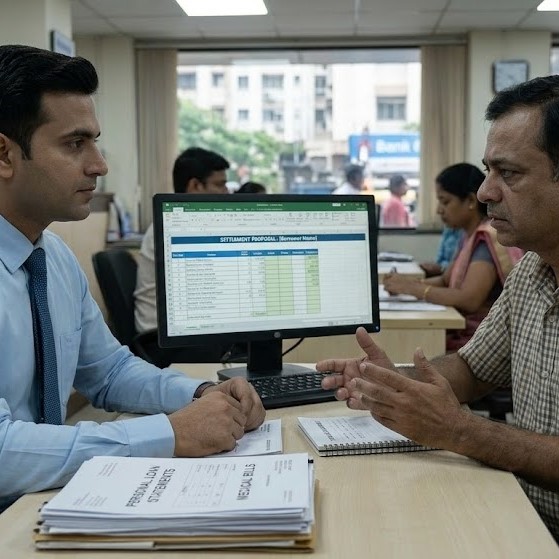
Financial difficulties can happen to anyone. Whether it is a sudden medical emergency, a job loss, or a business downturn, the burden of high-interest monthly installments can quickly become unmanageable. If you find yourself unable to pay your EMIs and are buried under mounting debt, the question often arises: “Can I negotiate my settlement?”
The answer is a definitive yes. In the Indian banking system, Personal Loan Settlement is a legitimate and widely used legal process to resolve debt. However, successful Loan Negotiation requires a clear understanding of how the system works and how to present your case to the bank effectively while protecting yourself from Bank Harassment.
Understanding the Concept of Settlement
A settlement is a compromise reached between a borrower and a lender. When a bank realizes that a borrower is in genuine financial distress and is unlikely to pay back the full amount, they may agree to accept a one-time lump-sum payment that is lower than the total outstanding dues.
Once this payment is made, the account is closed, and the lender stops all recovery efforts. This allows the borrower to become debt-free and find mental peace. However, it is important to realize that banks generally only enter into Personal Loan Settlement discussions once an account has defaulted for 90 days or more and is classified as a Non-Performing Asset (NPA).
The Mechanics of Loan Negotiation in India
Negotiating with a financial institution is a structured process. It is not about simply asking for a discount; it is about proving that your financial hardship is real. Here is how you can navigate the Loan Negotiation journey:
1. Build a Strong Case
Banks do not settle out of generosity. You must provide evidence of why you cannot fulfill the original terms. Gather documents like medical reports, termination letters, or income statements. This documentation is the foundation of any successful Personal Loan Settlement and serves as your defense against aggressive collection claims.
2. Know Your Capacity
Before you start the Loan Negotiation process, you must know your maximum repayment capacity. Settlements are usually one-time payments. Determine the exact amount you can arrange—whether from savings or family assistance—and stick to that limit during discussions.
3. Reach Out to the Right Authority
Don’t waste time negotiating with recovery agents, as they often have no power to waive amounts and may even use Bank Harassment tactics to pressure you. Instead, address your proposal to the bank’s Nodal Officer or the manager of the settlement department. A formal written request is much more effective than verbal pleas.
4. Be Patient but Persistent
Banks often start with a very high settlement figure. It may take several rounds of Loan Negotiation to reach a figure that is actually manageable—typically 25% to 50% of the total outstanding amount. Patience is key to securing a fair deal and ending the cycle of debt.
5. Demand a Formal Sanction Letter
This is the most critical rule: Never pay a single rupee based on a verbal promise. You must obtain a formal “Settlement Sanction Letter” on the bank’s official letterhead. This document must clearly state the final agreed amount and the date by which it must be paid to consider the loan closed.
Why Professional Mediation Works
Attempting to negotiate a Personal Loan Settlement alone can be intimidating. Banks have professional teams trained to maximize their recovery, and sometimes these teams cross the line into Bank Harassment. By choosing a dedicated service like Bank Harassment, you gain a professional advocate.
Experts understand the internal “haircut” percentages banks are allowed to take and can handle the complex Loan Negotiation on your behalf. This not only secures you a better financial deal but also acts as a shield against aggressive recovery tactics, ensuring you are treated with dignity throughout the process.
Life After Settlement: The Credit Score Factor
While a settlement provides immediate relief and stops the harassment, it is important to be aware of the impact on your CIBIL score. Your report will show the status as “Settled,” which can make getting new credit difficult for a few years. However, for those in a deep debt trap, closing the liability and stopping the intimidation is often a necessary first step toward long-term financial recovery.
Conclusion
You have the right to negotiate your way out of a debt trap. A Personal Loan Settlement is a viable path for those facing genuine crises. By following a disciplined Loan Negotiation strategy and seeking the right professional help, you can successfully resolve your debts and start a new chapter in your financial life without fear.
If you are currently struggling with unpaid personal loans and want to stop the pressure, visit Bank Harassment today. Our experts are here to help you navigate the settlement process with ease and protect your rights.