
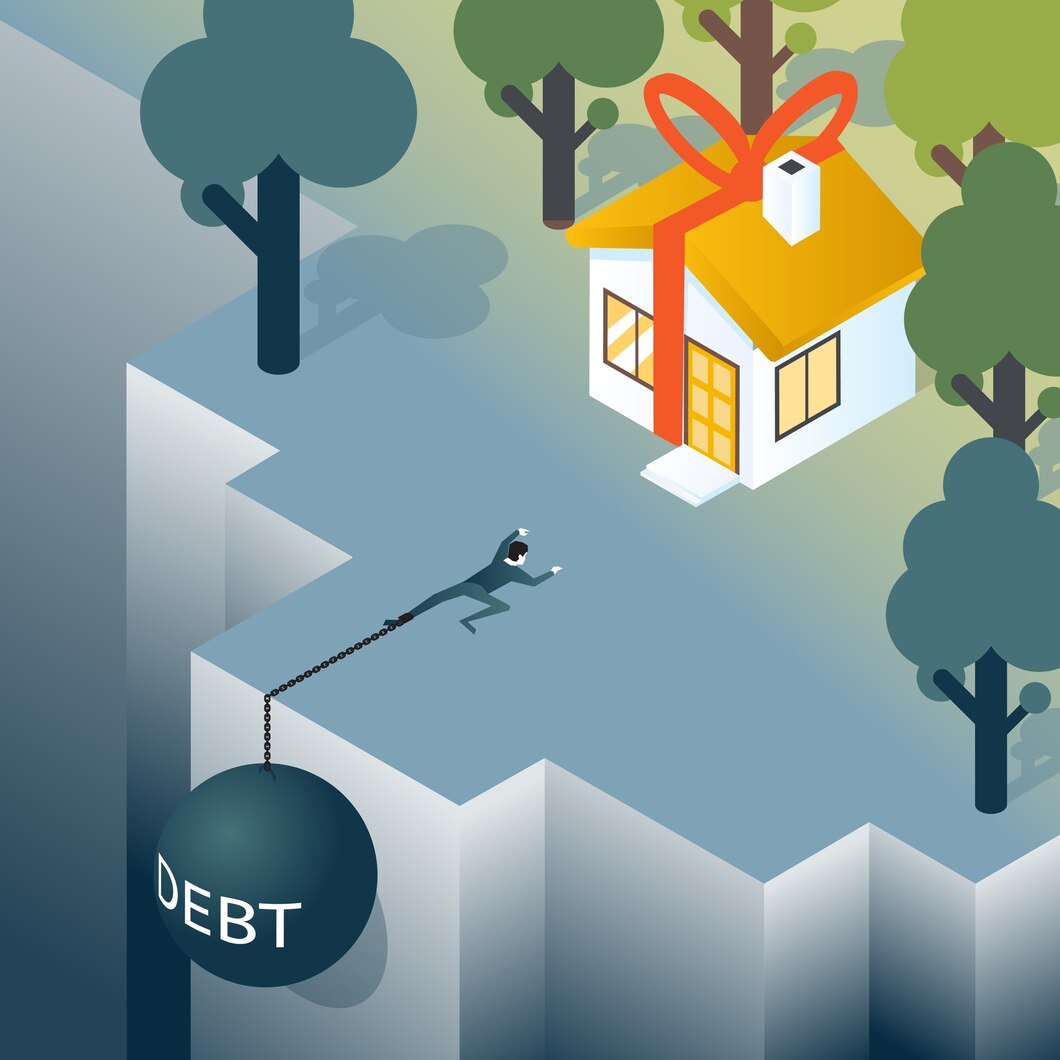
As a self-employed professional or a business owner, you’re used to navigating risks and financial ups and downs. But when a business downturn makes it impossible to pay your personal loan EMIs, the stress is often magnified by relentless and aggressive bank harassment.
You feel helpless, as if you’re being punished for a business setback. But you are not helpless, and you have rights. A personal loan settlement can be a strategic and empowering way to stop the harassment and regain control of your financial life.
The Unique Challenges You Face
Unlike a salaried individual with a fixed income, your finances are uniquely vulnerable to a downturn. A loss of clients, a slow season, or an unexpected market shift can immediately dry up your cash flow. When this happens, a bank may escalate collection efforts, using tactics that violate RBI guidelines to force you to pay.
The harassment you’re enduring is a direct result of your debt situation. The only way to truly stop the aggressive calls and threats is to resolve the debt itself. A settlement offers a path to do just that, without requiring you to pay the entire outstanding amount.
Your Path to a Strategic Settlement
A personal loan settlement should always be a last resort. However, if you are facing genuine financial hardship and are already receiving harassment, it’s an option you should explore with full awareness.
1. Know Your Rights Against Harassment: Before you even begin a settlement negotiation, you must be aware of your rights. Remember that a debt recovery agent:
- Cannot call you outside of 7 AM to 7 PM.
- Cannot use abusive language, threats, or intimidation.
- Cannot contact your family members, friends, or neighbors.
Document every instance of harassment, including the date, time, and name of the agent. This documentation is your first line of defense.
2. Document Your Financial Hardship: Unlike a salaried person, you don’t have a salary slip to prove financial distress. Instead, you need to use your business records. Gather documents that show a clear reduction in your income, such as:
- Reduced revenue reflected in your bank statements.
- A formal letter from your accountant detailing your business losses.
- Your last two years’ Income Tax Returns (ITR) and audited financial statements to show the change in your financial status.
This documentation is crucial. It shows the bank that your inability to pay is due to a genuine and unforeseen circumstance, not a willful default.
3. Get Everything in Writing: This is non-negotiable. Do not make any payments or agree to any terms over the phone. A final settlement must be documented in a formal letter from the bank. This letter should clearly state the agreed-upon settlement amount, the date by which it must be paid, and confirm that the account will be considered “settled” with no further liability. This letter is your protection against future harassment for the same debt.
A Powerful Decision with Consequences
A personal loan settlement will significantly impact your CIBIL score, and the “settled” status will remain on your credit report for up to seven years. This will make it very difficult to get any new loans or credit in the future.
However, for a self-employed individual facing intolerable harassment and no other options, a settlement can be a necessary step to regain peace of mind and stop the cycle of debt and intimidation.
We Are Your Partner in This Fight
You don’t have to face the aggressive harassment or the complex settlement process alone. Our experts are well-versed in RBI guidelines and debt settlement laws. We can:
- Help you document harassment and file official complaints.
- Act as your intermediary to stop the intimidating calls and deal with the bank on your behalf.
- Negotiate for the best possible settlement and ensure all paperwork is correctly done.
A personal loan settlement is a strategic move to end harassment and begin a new financial chapter. Let us help you do it with dignity and confidence.