
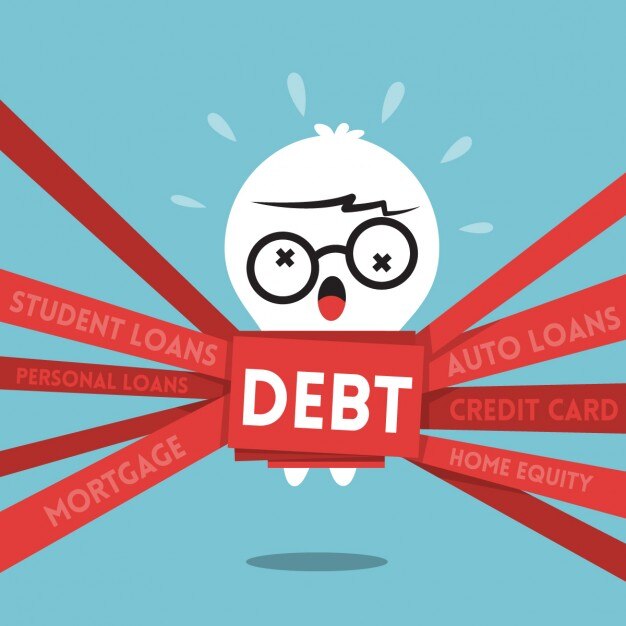
Many borrowers in India experience a phase where one missed EMI slowly turns into repeated non-payment. Once instalments are skipped continuously, the situation moves beyond delay and becomes a serious EMI default. At this stage, banks increase follow-ups, recovery calls become frequent, and stress starts affecting daily life. What was once manageable now turns into a long-term repayment issue.
Ignoring continuous defaults does not improve the situation. In fact, it increases pressure and limits options. This is the point where borrowers should stop trying to adjust EMIs and start thinking practically about loan settlement.
How Banks Treat Accounts After Continuous Defaults
Banks view continuous EMI default very differently from occasional delays. When payments remain unpaid for months, the loan account is marked as stressed. Interest and penalties keep adding up, and recovery actions become aggressive. For borrowers, catching up on EMIs becomes nearly impossible.
From the bank’s side, recovery chances also reduce over time. This is why debt settlement becomes a realistic solution after prolonged default instead of continuing with uncertain monthly payments.
First Priority for Borrowers: Regain Control
After continuous defaults, the most important step is to stop reacting emotionally. Fear-driven decisions often lead to wrong commitments and deeper trouble. Borrowers should pause and assess their situation calmly.
Understanding the total outstanding amount, current income, and essential expenses helps clarify whether repayment is realistically possible. In most prolonged default cases, income stability is already affected, making loan settlement a more suitable option than repayment.
Why Informal Settlement Under Pressure Is Risky
Borrowers under stress are often pushed into accepting verbal offers or partial payment promises. This approach is dangerous. An unplanned debt settlement without proper clarity can result in future recovery calls, disputes, or incorrect loan status.
Settlement decisions should never be rushed. Borrowers must understand the settlement amount, closure terms, and future liability before agreeing to anything.
How Loan Settlement Helps After Prolonged Defaults
Loan settlement works because banks prefer closure over uncertain recovery. Instead of continuing recovery efforts with low success chances, banks may agree to accept a reduced amount as final payment.
For borrowers, this reduces the total payable burden and ends the EMI cycle. More importantly, it brings closure to a long-standing repayment issue, allowing borrowers to move forward.
What Borrowers Should Prepare Before Settlement Discussions
Preparation plays a major role in settlement success. Borrowers must be realistic and honest about their one-time payment capacity.
Important areas to focus on include:
-
How long the EMI default has continued
-
Whether funds can be arranged for settlement
-
Avoiding promises that cannot be fulfilled
This preparation improves loan settlement outcomes and prevents repeat stress.
Emotional Impact of Continuous Defaults
Living with continuous defaults creates mental pressure. Fear of calls, embarrassment, and uncertainty affect both personal and professional life. Many borrowers delay action because stress clouds judgment.
A planned debt settlement restores control. Knowing there is a clear exit reduces anxiety and helps borrowers make better decisions.
How Bank Harassment Supports Borrowers in Default Situations
At Bank Harassment, the focus is on protecting borrowers who are already facing recovery pressure due to continuous defaults. The approach is structured and practical, helping borrowers understand whether settlement is the right step and how to handle it safely.
The aim is to resolve the repayment issue while reducing harassment and future risk.
Final Thoughts: Take Action Before Pressure Increases
Continuous EMI default is a clear warning sign. Delaying action only reduces control and increases stress. With proper planning, loan settlement can turn a difficult phase into a controlled resolution.
When handled correctly, debt settlement offers clarity, closure, and a chance to rebuild financial stability without constant pressure.