The phone calls, the late-night visits, the stress that hangs over every single month-end—if you are struggling to keep up with your EMIs, you know the devastating toll that financial distress and aggressive debt collection can take on your life.
For those facing persistent and unethical recovery tactics, simply managing the monthly payment feels impossible. It’s a vicious cycle where financial struggle leads to bank harassment, which further compounds the stress and inability to focus on a solution.
But there is a powerful, legally recognized path to break free: Debt Settlement.
Debt settlement is not a ‘magic fix,’ but it is a strategic and often essential step that can drastically reduce your EMI burden and, most importantly, put an immediate end to bank and collector harassment.
What Exactly is Debt Settlement?
Debt settlement is a negotiation process between you (or your legal representative) and your creditor where you agree to pay a lump sum that is less than the total outstanding balance, in exchange for the creditor marking the debt as “settled” or “paid.”
This process is generally an option when you are facing genuine financial hardship and can no longer meet the original loan terms.
How Debt Settlement Slashes Your EMI Burden
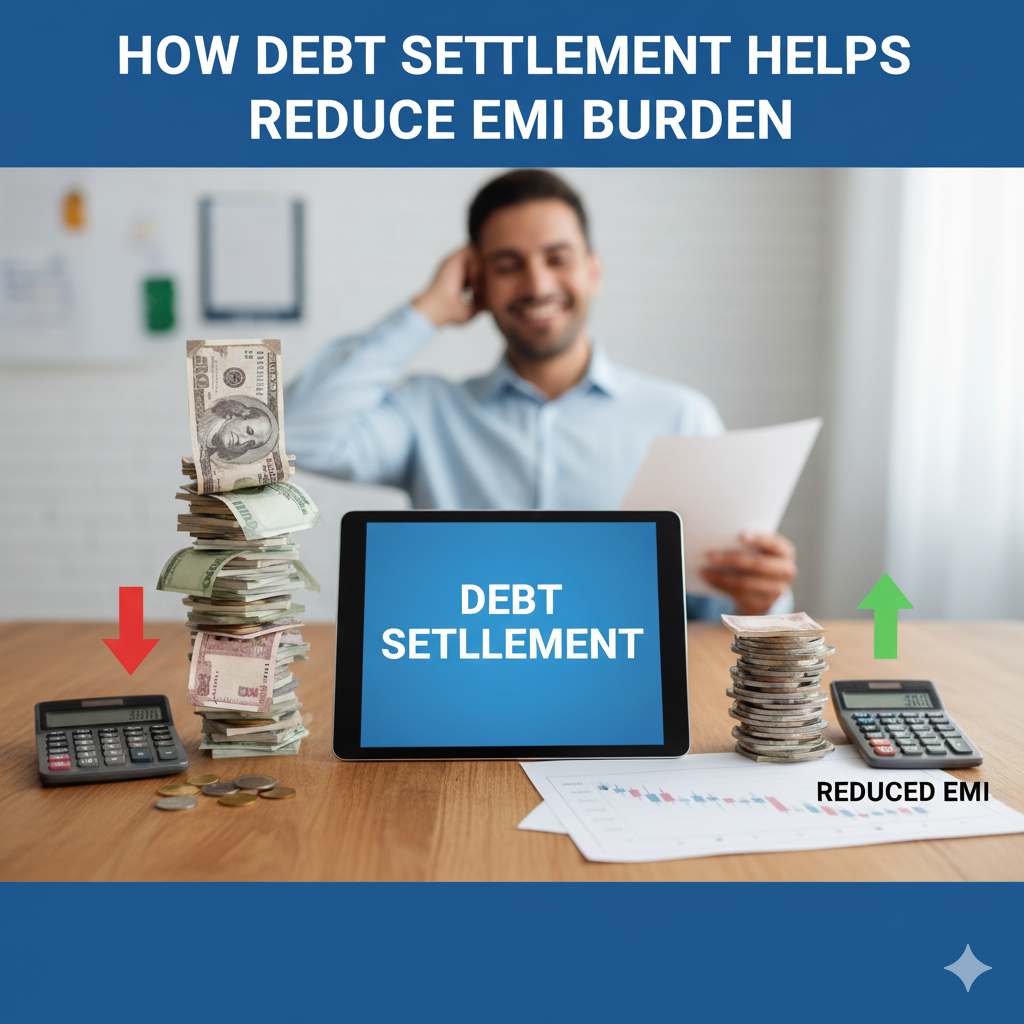
The most significant benefit of a successful debt settlement is the direct and immediate EMI relief it provides:
- Reduced Principal Amount: The core of debt settlement is getting the creditor to agree to accept less than the full amount owed. This significantly reduces the total principal, making the debt much more manageable.
- Waiver of Penalties and Fees: During periods of non-payment, late fees, penalty interest, and other charges can cause your debt to balloon. A key part of the settlement is negotiating the waiver of these accumulated charges.
- Lump-Sum Closure: Instead of a never-ending cycle of monthly EMIs, a settlement resolves the debt with a single, reduced payment (or a short-term, agreed-upon installment plan). Once paid, the EMI obligation for that specific loan is gone forever.
This immediate reduction in the overall debt translates directly into freedom from the crushing weight of high monthly payments.
The True Value: Stopping Bank Harassment for Financial Freedom
While the financial benefit is clear, the most valuable part for many distressed borrowers is the return of peace of mind.
Once a debt settlement is successfully negotiated and the agreed-upon amount is paid:
- The Debt is Closed: The account is officially closed and marked as “Settled” or “Paid for less than the full amount.”
- Collection Stops: The bank or financial institution no longer has a legitimate reason to pursue payment or engage recovery agents. All further collection calls, visits, and threats regarding that specific debt must cease.
- Legal Shield: If you are working with a legal team, they can directly communicate the settlement to the bank’s recovery department and, if necessary, take legal action against any continued harassment, using the final settlement agreement as definitive proof that the debt is resolved.
Debt settlement empowers you to take control of a debt that felt uncontrollable. It is a decisive move that ends the anxiety, the fear of the phone ringing, and the emotional distress caused by aggressive debt collection practices.
Your Path Forward
If you are facing financial hardship and feel trapped between overwhelming EMIs and illegal bank harassment, debt settlement offers a realistic and powerful exit.
Don’t let the fear of debt collectors paralyze you. Knowing your options—and acting on them—is the first step toward regaining your financial freedom.
If you are struggling with unmanageable debt and bank harassment, you have rights. Contact our legal experts today for a consultation to understand if debt settlement is the right strategy for your case and to build a strong defence against unethical recovery practices.