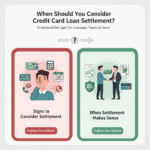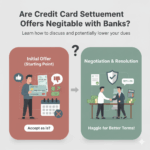

When collection calls become relentless, abusive, or cross the line into outright harassment, the overwhelming urge is to make it STOP. A Credit Card Settlement—paying a one-time, reduced amount to close the account—can seem like the fastest path to peace.
While a settlement will close the account and end the collection cycle from that specific lender, it comes with a severe and long-lasting cost to your financial future: a major blow to your CIBIL Score.
This is the vital trade-off you need to understand before you decide to settle.
1. The Harsh Reality: ‘Settled’ Status Decimates Your CIBIL Score
A credit card debt settlement is not the same as paying off your debt in full. The bank or financial institution will report your account to credit bureaus (like CIBIL) with a permanent status of ‘Settled’.
- Immediate Damage: Expect your CIBIL Score to drop sharply—often by 75 to 150 points or more, instantly classifying you as a high-risk borrower.
- A 7-Year Black Mark: The ‘Settled’ status remains on your credit report for up to seven years. During this period, you will face rejections or significantly higher interest rates on applications for home loans, car loans, or new credit cards.
The relief from harassment is temporary; the damage to your CIBIL score is long-term.
2. Harassment vs. Credit Score: Which Problem is Bigger?
We understand that continuous, unethical bank harassment is a crushing and emotionally draining experience. However, it is crucial to separate the immediate relief from the long-term consequence:
You do not have to sacrifice your credit future to stop harassment. There are legal and ethical ways to stop collection calls that do not require settling your debt for less than the full amount.
3. Your Rights and Legal Alternatives to Settlement
If you are facing illegal or unethical collection practices, you have powerful rights under the law. Settlement is often offered by banks when your account is already severely delinquent, but here are the immediate, CIBIL-score-protecting actions you can take:
- File a Formal Complaint: Lodge a detailed complaint with the bank’s Nodal Officer and/or Grievance Redressal Officer.
- The RBI Ombudsman: If the bank fails to address harassment, you can approach the Reserve Bank of India’s Integrated Ombudsman Scheme for free, quick redressal. Harassment, abuse, and public humiliation are serious violations of RBI guidelines.
- Legal Cease-and-Desist Notice: A legal notice sent by a debt relief expert can often stop collection calls immediately, as it puts the bank on formal notice of their illegal behaviour. This addresses the harassment without damaging your CIBIL score with a ‘Settled’ status.
- Debt Restructuring: Ask the bank to restructure your loan for lower EMIs or a longer tenure. While not ideal, this is far better for your CIBIL than a ‘Settled’ tag.
Facing Harassment? Take the Right Step
Settling a credit card loan is a step you can never truly undo for seven long years. While it offers a final, immediate end to the harassment, the price is your financial future.
Before you make that call to settle, seek professional legal guidance. We specialise in stopping illegal bank harassment and securing responsible debt resolution that minimises CIBIL damage.
Don’t let harassment force you into a decision that costs you for a decade.
📞 Contact Us Today to get a Legal Notice issued and find a sustainable solution to your debt problem. Your rights and your credit score matter.