
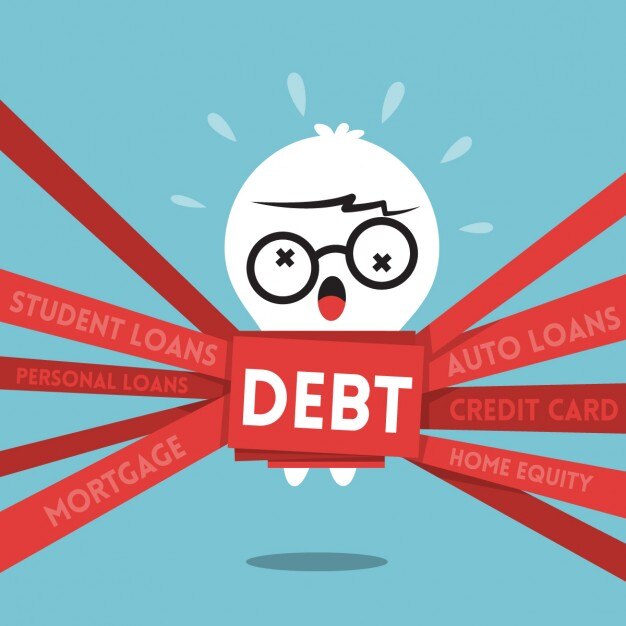
The world of freelancing offers incredible freedom, flexibility, and the chance to build a career on your own terms. However, it also comes with a unique set of financial challenges: irregular gig income, no fixed salary, fluctuating workloads, and often, a blurred line between personal and business expenses. This income volatility can make managing an outstanding balance on personal loans or credit cards incredibly difficult, often leading to significant financial hardship.
When income dips and payments are missed, freelancers become prime targets for aggressive bank harassment, relentless collection calls, and intimidating agent harassment. This not only causes immense mental stress but can directly disrupt your work, impacting your ability to earn.
If you’re a freelancer drowning in debt and suffering from harassment, the good news is that debt settlement, combined with our anti-harassment service, can be a highly effective strategy for a financial reset. At Bank Harassment, we understand the unique financial landscape of freelancers and how to both negotiate on your behalf and provide a crucial legal shield against abusive collection tactics.
Why Debt Settlement is Ideal for Freelancers with Irregular Income and Facing Harassment
Unlike salaried employees, freelancers often don’t have a consistent, predictable income flow. A great month might be followed by several lean ones. This unpredictability makes it challenging to commit to fixed EMI payments, increasing the risk of default and, consequently, the onset of bank harassment. Debt settlement offers:
- A Realistic Exit: It acknowledges your current financial hardship and irregular gig income, providing a path to pay a reduced outstanding balance.
- Flexibility in Payment: While lump-sum payments often yield the best waiver, structured payment plans can sometimes be negotiated, offering a more manageable process flow for fluctuating incomes.
- A True Financial Reset: It aims to make you debt-free, allowing you to allocate future gig income towards building savings and investing in your freelance business, free from the constant disruption and intimidation of collection calls.
Key Considerations and Negotiation Strategies for Freelancers Facing Debt and Harassment
When pursuing debt settlement as a freelancer, presenting your financial situation effectively is crucial, especially when facing harassment.
1. Income Volatility as Proof of Financial Hardship (and a Trigger for Harassment)
Your fluctuating gig income itself is a strong indicator of financial hardship. This unpredictable income stream, which should be understood, is often exploited by aggressive debt collectors who intensify harassment during lean periods.
- Documentation: Don’t just show your best months. Gather documentation like bank statements, invoice records, and ITRs (Income Tax Returns) for the past 1-2 years that clearly reflect periods of low or no income, project delays, or client non-payment. This demonstrates the genuine unpredictability of your earnings.
- Explain the Reality: We explain to creditors how your income varies and why a fixed EMI became unsustainable, while simultaneously activating our anti-harassment service.
2. The Blurred Lines: Personal Debt vs. Business Expenses (and Why Harassment is Worse)
Many freelancers use personal credit cards or personal loans for business expenses, further intertwining their finances. When personal credit is used for business, bank harassment not only impacts your personal life but directly threatens your livelihood by disrupting your focus, concentration, and even client calls.
- Clarity for Creditors: While separating finances is ideal, we highlight how the overall debt and resulting harassment severely impact your ability to sustain your livelihood, reinforcing the financial hardship.
- Future Planning: Resolving this through debt settlement facilitated by Bank Harassment frees you to rebuild both your personal finances and your business.
3. Account for Self-Employment Taxes and Business Expenses (Crucial for Realistic Settlement Offers)
Your gross gig income isn’t your disposable income. Freelancers are responsible for their own income tax, TDS, and often significant business expenses (software, equipment, co-working spaces, marketing). When calculating what you can afford for a debt settlement offer, always factor in these mandatory deductions and legitimate business costs. This paints a realistic picture of your actual capacity to pay, leading to a sustainable debt settlement that ends the harassment.
4. The Power of an Emergency Fund (Your Shield Against Future Harassment Triggers)
For freelancers, an emergency fund is not a luxury; it’s a necessity. Income gaps, client delays, or unexpected business costs can quickly lead back to debt if you don’t have a buffer. Once your debt settlement is complete, make building a robust emergency fund (aim for 6-12 months of living expenses) your top financial priority. This safety net will protect you from future income volatility, preventing the missed payments that trigger bank harassment.
5. Navigating Lump-Sum vs. Payment Plans (Tailored for Freelancers, and to End Harassment)
Creditors often offer the best waiver percentages for lump-sum settlements.
- Saving Aggressively: If you anticipate a large project payout, or if you can liquidate a small, non-essential asset, dedicating these funds towards a lump-sum settlement can be highly beneficial, leading to a faster end to harassment.
- Structured Payments: If a lump sum isn’t feasible, Bank Harassment can negotiate a structured payment plan. We ensure the plan is realistic for your irregular income, ultimately leading to the removal of harassment once the terms are met.
6. Impact on Credit Score and Rebuilding (for Long-Term Stability, Free from Harassment)
Debt settlement will impact your credit score negatively for a period. However, it’s a temporary dip for a long-term financial reset. Focus on the future: once settled, you can begin the credit rebuild process flow by making all new payments on time and responsibly using (and quickly paying off) small secured credit products. This long-term financial stability is key to preventing future debt-harassment cycles.
Bank Harassment’s Role: Your Partner for a Stable, Harassment-Free Freelance Career
At Bank Harassment, our expert panel specializes in debt settlement for individuals from all walks of life, including the unique needs of freelancers and those with gig income, with an additional, crucial focus: stopping the harassment. We understand that your financial story isn’t linear, and we know how to present your unique income patterns effectively to creditors, while simultaneously activating our anti-harassment service.
We will:
- Assess Your Situation: Understand your specific income patterns, expenses, and debt types.
- Stop the Harassment: Immediately intervene to halt collection calls and agent harassment, enforcing your borrower rights under RBI Guidelines.
- Expert Negotiation: Leverage our experience to negotiate the best possible waiver on your outstanding balance, aiming for a manageable settlement that aligns with your income volatility.
- Manage the Process Flow: Handle all communication with creditors, taking the mental stress off your shoulders so you can focus on your work and rebuild.
- Guide Your Financial Reset: Help you chart a course towards truly debt-free living, emphasizing budgeting and savings strategies crucial for freelancers, ensuring you are loan mukt from both debt and harassment.
Don’t let the unpredictability of gig income keep you trapped in debt and subjected to bank harassment. Debt settlement can be your bridge to a stable, debt-free freelance career, bringing you the peace of mind you deserve.
Contact Us today for a confidential consultation, and let us help you achieve your financial reset and lasting freedom from harassment.