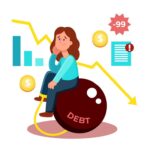
A sudden fall in earnings can turn manageable loans into a serious burden. When salary cuts, job loss, or business decline reduce monthly cash flow, paying each EMI on time becomes a struggle. As delays increase, borrowers may start receiving frequent calls and notices, which adds mental pressure to financial stress. For individuals facing long-term income loss, continuing regular payments may no longer be realistic. In such situations, debt settlement offers a structured way to close the loan and stop the cycle of penalties and recovery pressure.
How Income Loss Triggers Financial and Recovery Pressure
Reduced income affects the ability to manage fixed monthly obligations. Essential expenses like rent, food, education, and medical needs take priority, leaving little for loan repayment. Missing multiple EMI payments causes the outstanding amount to grow rapidly due to interest and late charges. At the same time, lenders increase follow-ups, which can feel overwhelming for borrowers already dealing with income loss. Choosing debt settlement allows borrowers to present their financial hardship formally and request a practical closure plan instead of facing continuous pressure.
A Structured Approach to Debt Settlement
Handling settlement properly is important to avoid future disputes. Borrowers should communicate clearly with the lender about their inability to continue regular payments and request negotiation based on their current capacity. A safe debt settlement process usually involves written communication, verification of the final amount, and official confirmation before payment. Key steps that support a smooth resolution include:
-
Explaining the reason for income loss with supporting details
-
Requesting a reduced payoff amount instead of ongoing EMI payments
-
Ensuring the agreement is documented before transferring money
-
Collecting proof that the loan is fully closed after payment
Following these measures protects borrowers from misunderstandings and ensures that the settlement is recognized legally.
Preventing Harassment Through Proper Action
Ignoring lender communication often increases pressure, while responding with a clear settlement request shifts the situation toward resolution. When borrowers show willingness to close the debt responsibly, recovery actions usually reduce. A well-planned debt settlement demonstrates intent to resolve the issue rather than avoid it. This approach not only controls stress but also prevents the problem from turning into a long-term legal or financial complication.
Financial Recovery After Settlement
Completing the settlement is only the first step toward stability. Borrowers should focus on rebuilding their finances gradually after a period of income loss. Creating a basic savings plan, limiting unnecessary expenses, and maintaining timely payments on essential obligations help restore confidence. Over time, disciplined financial habits reduce the risk of falling into a similar situation again. Even small improvements in income should be used wisely to strengthen financial security.
A Practical Exit From Loan Stress
For borrowers facing reduced earnings, continuing full repayments may not always be possible. Choosing debt settlement provides a realistic exit that acknowledges current financial limits while closing the loan responsibly. Managing EMI pressure through negotiation instead of avoidance helps protect peace of mind and future stability.
If falling income is making repayments unmanageable, timely action can prevent deeper financial trouble. With a careful plan and responsible decisions, borrowers can resolve their debt, reduce stress, and move forward toward a more secure financial life.