
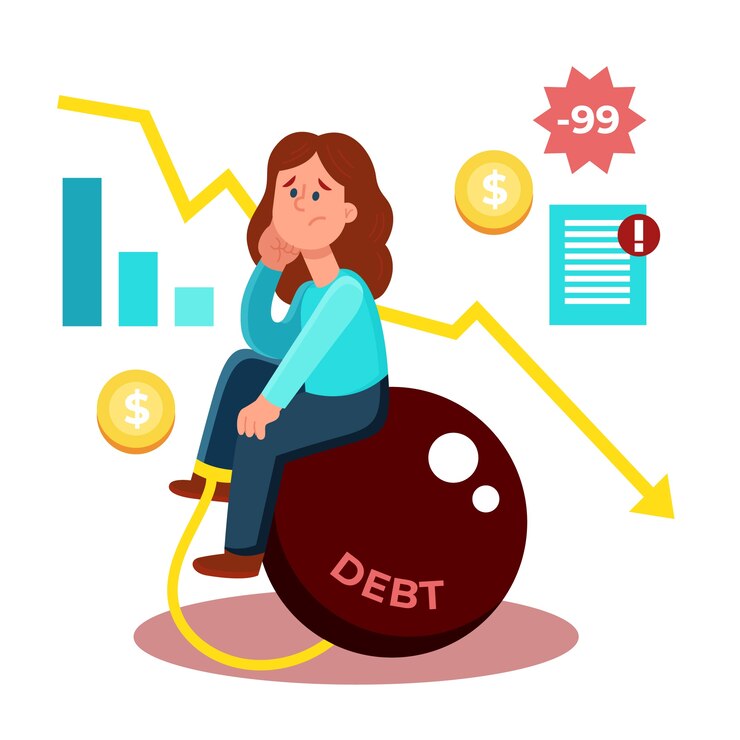
Financial stress becomes more difficult when constant recovery calls and pressure start affecting daily life. Many borrowers facing repayment issues also experience Bank Harassment, which creates fear about legal action and property seizure. In such situations, choosing a structured path like debt settlement with proper guidance can provide relief while maintaining legal safety. Instead of reacting emotionally to pressure, borrowers need a planned approach that protects their rights and ensures that the settlement process remains lawful and documented.
Why Bank Harassment Happens During Debt Issues
When EMIs are missed for several months, banks and recovery agencies increase follow-ups to recover dues. While lenders have the right to ask for repayment, excessive calls, threats, or public embarrassment fall under Bank Harassment. Many borrowers do not know that they still have legal protections even if they have defaulted. Understanding these rights is the first step toward legal safety. A calm and documented response reduces pressure and shifts the conversation from harassment to negotiation, which is necessary for successful debt settlement.
Safe Approach to Debt Settlement
A proper debt settlement process focuses on negotiation rather than confrontation. With the right support, borrowers can request a reduced payoff amount and structured closure of the loan. The key is to keep everything in writing and avoid verbal agreements. A safe process usually includes:
-
Submitting a formal settlement request to the bank
-
Negotiating a realistic lump-sum amount
-
Getting written confirmation before payment
-
Collecting a closure or No Dues letter
These steps ensure that the settlement is recognized officially and prevent future disputes. Following a legal path also reduces harassment because the bank sees that the borrower is cooperating to close the account.
How Legal Safety Protects Borrowers
Maintaining legal safety means ensuring that no action taken during settlement can be used against the borrower later. Proper documentation, recorded communication, and verified letters protect against false claims of pending dues. Borrowers should never pay cash or transfer money without written approval from the bank. After payment, checking that the account status is updated in records is equally important. This careful approach converts a stressful situation into a controlled resolution process.
Support System That Reduces Pressure
Facing lenders alone can feel overwhelming, especially when calls come daily. Professional assistance for Bank Harassment cases helps manage communication and keeps negotiations focused on settlement. Support teams understand how banks operate and what terms are reasonable. This increases the chances of approval and prevents borrowers from accepting unfair conditions out of fear. Structured support also helps in planning finances so the agreed settlement amount can be paid without creating new debt.
Moving Toward a Stress-Free Financial Future
Choosing debt settlement with the right guidance allows borrowers to close their loans and stop recovery pressure permanently. Instead of living with uncertainty, they gain a clear path toward financial stability. Addressing Bank Harassment through lawful methods restores confidence and peace of mind. Once the settlement is completed correctly, borrowers can rebuild their financial profile and focus on future goals without constant stress.
If repayment difficulties are causing pressure and repeated calls, taking timely action with a legally safe strategy is the best solution. A planned settlement not only closes the loan but also protects dignity, finances, and long-term stability.