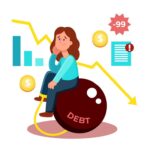

Medical emergencies often force families to arrange funds quickly, leaving no time to plan future repayment. Borrowers may take a medical loan or use multiple credit options to cover hospital bills, surgeries, or long-term treatment. Once the immediate crisis passes, repayment pressure begins while income may still be affected due to recovery or caregiving responsibilities. This situation creates a serious financial crisis, making regular EMIs difficult to manage. The Bank Harassment support system guides borrowers toward structured debt settlement, helping them resolve dues through a practical Loan Settlement that considers both financial and emotional challenges.
Why Medical Loans Become Difficult to Repay
Healthcare costs are often unpredictable, and treatment may continue longer than expected. Borrowers who assumed temporary expenses can end up with long-term liabilities and reduced earning capacity. When savings are exhausted and daily expenses continue, repayment becomes increasingly difficult. Through organized negotiation, debt settlement allows borrowers to present their financial condition clearly and request a realistic closure amount. Addressing the issue early can prevent further escalation of the financial crisis.
Warning Signs That Settlement Should Be Considered
Ignoring repayment difficulties can increase penalties and recovery pressure. Settlement may become necessary when:
-
Income has reduced due to illness or caregiving
-
Savings have been fully used for treatment
-
Multiple credit sources were used for medical costs
-
Recovery pressure is increasing continuously
Recognizing these signs early helps borrowers act before the burden becomes unmanageable.
How Bank Harassment Supports the Settlement Process
Handling negotiation alone during a health-related financial crisis can be overwhelming. The Bank Harassment framework guides borrowers through the Loan Settlement process by preparing structured proposals and communicating professionally with lenders. Proper documentation ensures that the agreed amount will close the account fully and prevent future disputes. This organized debt settlement approach provides clarity and meaningful relief during a difficult period.
Rebuilding Stability After Settlement
Once the settlement is completed, borrowers can focus on recovery and rebuilding finances without the stress of unresolved debt. Creating a basic savings plan, managing expenses carefully, and avoiding unnecessary credit use are important steps. Resolving the medical loan through settlement provides the breathing space needed to regain stability.
Conclusion
Loans taken during medical emergencies can create long-term financial pressure, but structured solutions can offer relief. With guidance from the Bank Harassment support system, borrowers can complete a planned debt settlement that addresses dues from a medical loan and reduces the impact of a severe financial crisis. A well-managed Loan Settlement restores stability, reduces stress, and provides a clear path toward financial recovery and peace of mind.