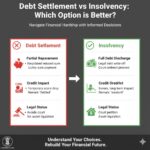
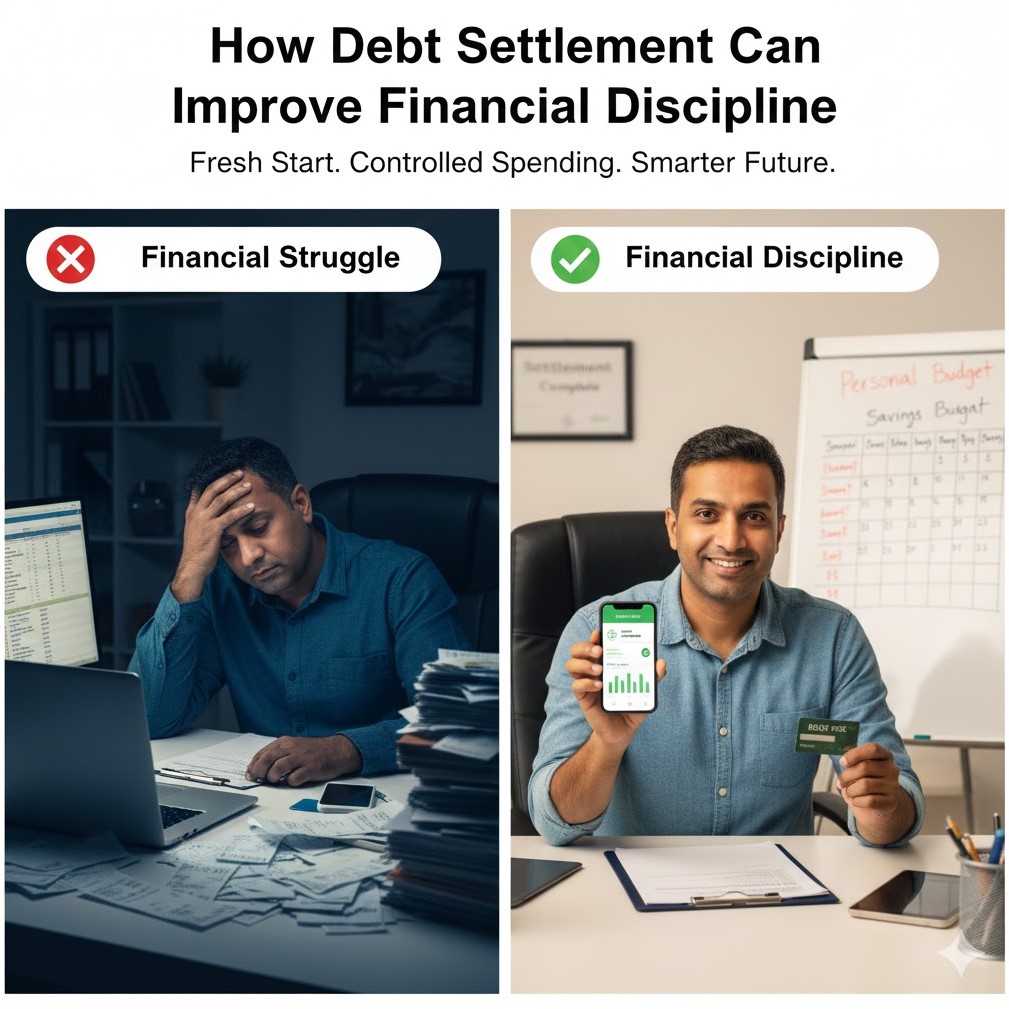
When a borrower faces severe financial distress and is tormented by daily Bank Harassment, the ultimate goal isn’t just to eliminate the debt; it’s to break the cycle that led to it. Successfully navigating a debt settlement provides the hard-won clarity and necessary tools to rebuild financial stability and forge strong, lasting repayment habits.
Settling a debt isn’t just an end—it’s a rigorous, focused process that lays the foundation for a much healthier financial future, free from the shadow of harassment.
1. Forcing a Brutal Financial Self-Assessment
The process of preparing for debt settlement demands a level of scrutiny that many borrowers avoid during the normal repayment process.
-
Honest Capacity Check: To propose a realistic settlement value, you are forced to conduct a detailed, honest analysis of your current income, expenses, and asset liquidity. This provides a clear, sometimes painful, picture of your financial reality, eliminating denial.
-
The Power of the Lump Sum: The need to secure a significant lump sum for the One-Time Settlement (OTS) requires extreme budgeting, saving, or structured liquidation of non-essential assets. This immediate, intense discipline teaches the borrower how to prioritize cash flow for a critical goal, a skill directly transferable to future saving goals.
2. Breaking the Cycle of High-Interest Dependence
Debt settlement is a clean break from unsustainable EMIs and reliance on high-cost credit, which often triggers the most aggressive collection tactics.
-
Ending the Treadmill: By eliminating high-interest unsecured debt (like personal loans or credit card debt), the borrower’s monthly cash flow is immediately freed from punitive interest charges. This provides EMI relief and makes savings a possibility, not just a dream.
-
Restricted Credit Access: The “Settled” status on the credit report, while negative, acts as a temporary guardrail. For the next few years, accessing future loans and unsecured credit is difficult. This restriction, ironically, prevents the borrower from falling back into the cycle of easy debt, forcing reliance on cash and savings.
3. Cultivating New Repayment Habits
The post-settlement phase is the proving ground for new financial stability and a fresh start.
-
The Post-Settlement Budget: The former EMI amount should be immediately reallocated. A successful borrower directs this money first toward an emergency fund (3-6 months’ expenses) and then toward investments or other essential needs. This consistency builds true repayment habits—but now, the borrower is paying themselves.
-
Documentation Discipline: The meticulous record-keeping required during settlement (saving the Loan Settlement Letter and the No Dues Certificate to fight harassment) establishes a lasting habit of organized financial management, a key trait of financial stability.
-
Credit Card Discipline: If the borrower later acquires a credit line, the memory of the difficult settlement process reinforces the discipline of paying the balance in full every month, thereby avoiding interest entirely.
4. The Psychological Shift to Financial Stability
The psychological weight of overwhelming debt is crushing and is intensified by Bank Harassment. Debt settlement provides the immediate legal and emotional freedom needed for a positive shift.
-
Emotional Relief: Closing the debt provides immense relief and permanently ends the harassment, allowing the borrower to focus creative and professional energy on income generation rather than debt management.
-
Ownership of Recovery: Having successfully navigated a high-stakes negotiation, the borrower gains confidence. They move from feeling like a victim of debt to a proactive manager of their finances, which is the definition of financial discipline.
Debt settlement is not a magic solution; it’s a painful but necessary course correction. By forcing accountability, eliminating high-cost debt, and imposing strict financial discipline, it empowers the borrower to achieve lasting financial stability and peace.
Ready to start your journey toward financial discipline?
Contact Us today for expert guidance on achieving a clean debt settlement and building a plan for financial stability free from harassment.