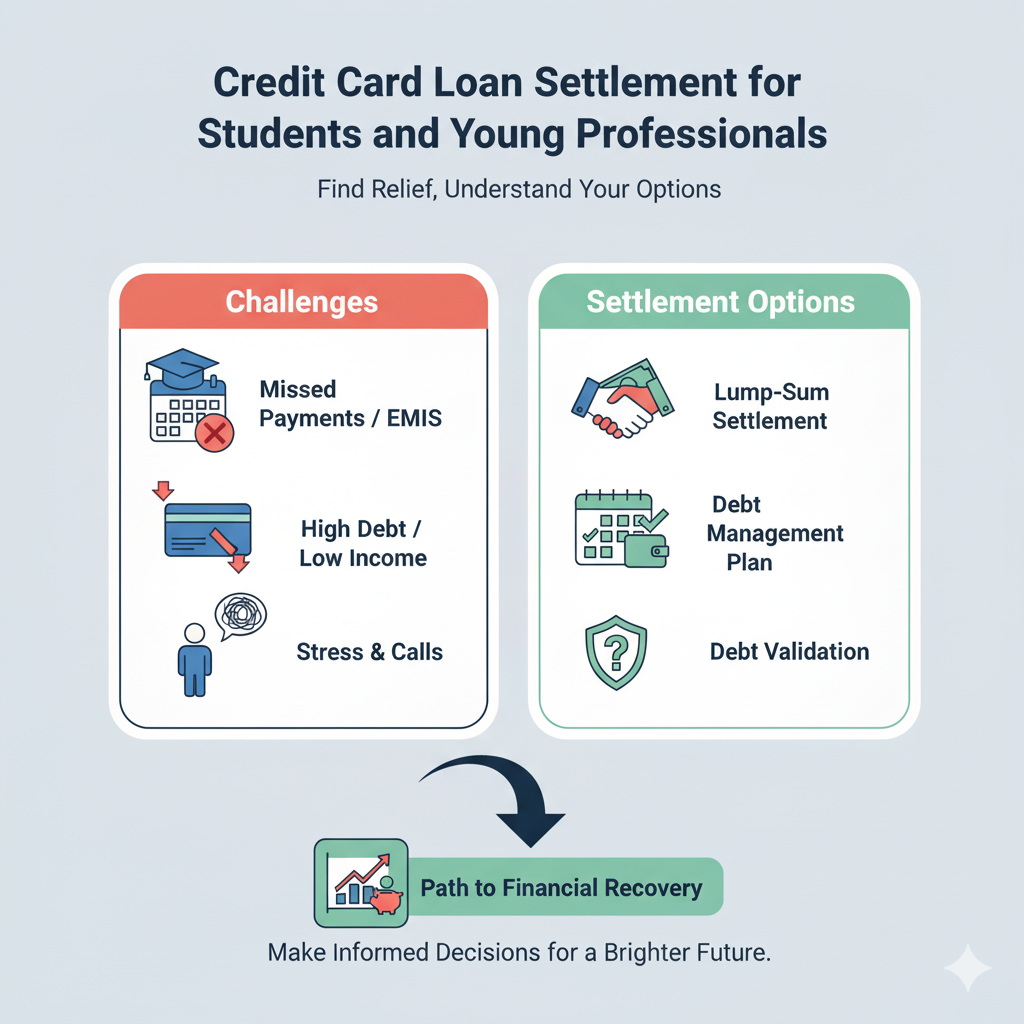
The transition from student life to a young professional’s career is often marked by financial excitement—and sometimes, by a paralyzing credit card EMI burden. But when you miss a payment, the anxiety quickly escalates into something far worse: Bank Harassment.
If you are a student or young professional facing abusive calls, threats, or public humiliation from recovery agents, understand this: You have rights, and harassment is illegal. Your struggle with debt does not strip you of your dignity or your legal protections.
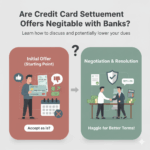
The most effective way to stop the harassment is to move towards a legal, permanent resolution: Credit Card Loan Settlement.
🛑 Stop the Harassment: Know Your Rights
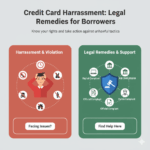
The Reserve Bank of India (RBI) and various court judgments strictly prohibit banks and their recovery agents from engaging in unethical, threatening, or harassing collection practices.
If you are facing harassment, remember these non-negotiable legal rights:
Why Settlement is the Ultimate Harassment-Stopper
Recovery agents are incentivized to collect money fast. Their aggression is simply a tactic to pressure you into paying the full amount. When you initiate a professional loan settlement process, you immediately achieve three things:
- Legal Shield: A formal communication from a debt resolution specialist or lawyer to the bank/agent immediately establishes a legal boundary, significantly reducing unwarranted contact.
- A Clear Finish Line: Harassment stops because the recovery process shifts from aggressive collection to formal negotiation. The agent’s incentive changes from “collecting everything” to “closing the file” via a settlement.
- Massive Debt Reduction: Settlement allows you to legally close the debt by paying a fraction of the total outstanding amount, often waiving high interest rates, penalty fees, and other charges.
How to Document and Fight Bank Harassment
You must treat every harassing call or visit as evidence for a potential legal complaint:
- Document Everything: Maintain a detailed log of every interaction:
- Date and Time of the call/visit.
- Name of the Agent (Always ask for their full name and their ID).
- Content of the Conversation (What was threatened or said).
- Number Used (Collect call recordings and messages if possible).
- Demand ID: If an agent visits your home, politely but firmly demand to see their Bank/NBFC-issued ID card and the bank’s Authorization Letter. If they refuse, they are in direct violation of the rules.
- File a Complaint: If the harassment persists, take the following steps in order:
- Lodge a Complaint with the Bank: Contact the bank’s Grievance Redressal Officer and share your documentation.
- Complaint to the RBI: If the bank fails to act, you can file a formal complaint with the RBI Ombudsman or the RBI’s Consumer Education and Protection Department.
- Approach the Police: For physical threats or criminal intimidation, file a police complaint (FIR) at your local police station under relevant sections of the Indian Penal Code.
We are Your Shield and Your Solution.
Dealing with the anxiety of debt and the fear of bank harassment is too much for a young professional or student to bear alone.
At Bank Harassment, we specialize in two things:
- Stopping Harassment: We step in as your legal representative to shield you from recovery calls and illegal tactics immediately.
- Securing a Fair Settlement: We negotiate on your behalf to reduce your total credit card loan amount, allowing you to pay a manageable lump sum and receive a legal “Full & Final Settlement” certificate.
Don’t let debt and harassment destroy your early career. Take back control.
Contact Us today for a confidential, free consultation. Let us handle the harassment so you can focus on your future.