Facing overwhelming credit card debt is stressful enough. When aggressive bank recovery agents or debt collectors step in, that stress can quickly turn into fear and harassment. If you’re struggling to keep up with high EMIs and dealing with relentless, often illegal, collection tactics, you might be looking for a way out—a way to reclaim your peace of mind.
One path to consider is Credit Card Loan Settlement. But when is it the right move, and how can it help stop the harassment?
What is Credit Card Loan Settlement?
A credit card loan settlement is an agreement between you and your creditor where they agree to accept a lump-sum payment that is less than the total outstanding balance to consider the debt fully closed. The remaining amount of the debt is “forgiven.” This is typically an option when the bank believes there is a high risk of you defaulting completely, or if the debt has been ‘charged-off’ (written off as a loss on their books).
When Should Settlement Be on Your Radar?
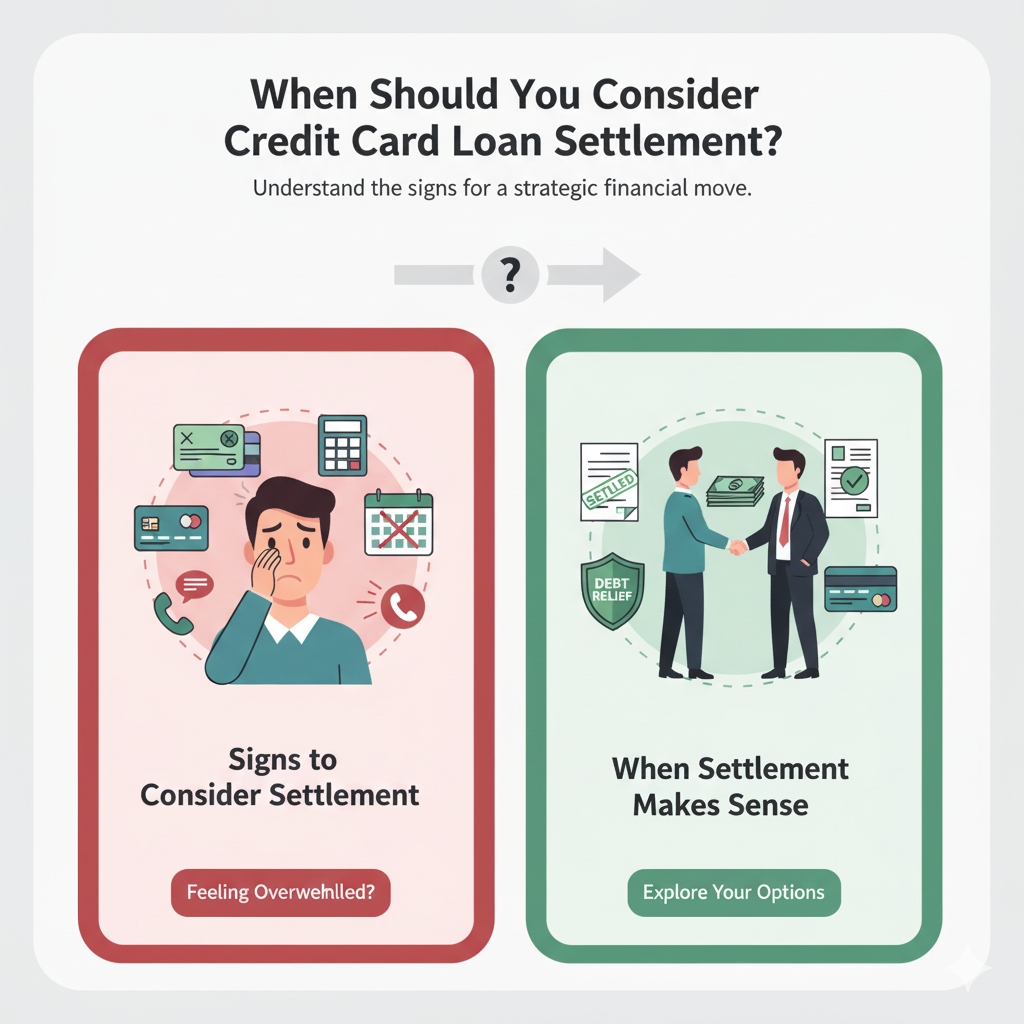
Loan settlement is a serious step with significant financial consequences, but it can be a vital lifeline. Here are the key indicators that you should consider it:
1. Your Debt is Overwhelming and Payments are Unaffordable
- High EMI Stress: If your current credit card EMIs consume a disproportionately large part of your income, making it impossible to cover basic living expenses.
- Persistent Delinquency: You have already missed multiple payments, and your financial situation is not expected to improve in the near future. The debt is snowballing due to high interest and late fees.
- The Alternative is Bankruptcy: Settlement is often a better alternative than filing for bankruptcy, which carries a more severe, long-term impact on your credit history.
2. You Are Facing Relentless and Illegal Harassment
This is a critical sign, particularly for victims of bank harassment. A settlement, once executed, often brings the collection calls and threats to an immediate halt.
- You’ve documented illegal collection practices: If you are experiencing repeated, threatening calls outside of reasonable hours, disclosure of your debt to family/friends/employers, or use of foul language.
- Collection Efforts Escalate to Lawsuits: If the bank or collector is preparing to file a lawsuit, a proactive settlement negotiation can often be a way to avoid a court battle.
- You need your peace back: The mental and emotional toll of harassment is a valid reason to pursue a final resolution. A successful settlement legally closes the account, removing the debt and the collection agents from your life.
3. You Have Access to a Lump-Sum Fund
Settlements are often most successful if you can offer a lump-sum amount, typically between 30% and 70% of the outstanding principal. This money could come from a financial windfall, an emergency fund, or a loan from a family member.
The Harassment-Stopping Benefit of Settlement
For those targeted by abusive collection practices, the immediate benefit of a successful settlement is peace and legal closure.
- The Account is Closed: Once the settlement amount is paid, the creditor is legally bound to consider the account as Settled in Full (for the agreed-upon amount) and the debt extinguished.
- Collection Stops: There is no longer an outstanding debt to collect, which legally terminates the collection agency’s contract and, by extension, their right to contact you.
- Legal Documentation: Crucially, always demand and keep a Settlement Letter from the bank before making any payment, and a No Dues Certificate (or similar) immediately after the final payment. These documents are your legal proof against any future claim or harassment on that specific debt.
IMPORTANT WARNINGS About Settlement
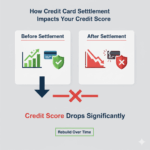
While tempting, settlement has drawbacks you must be aware of:
Take Control: Steps to Consider
If you believe settlement is the right path to end your financial distress and bank harassment:
- Document the Harassment: Keep a detailed log of all abusive calls (date, time, person, content). This evidence can strengthen your hand in negotiations and for potential complaints.
- Consult a Professional: Speak to a certified non-profit credit counselor or a lawyer specializing in debt laws. They can help you weigh your options (settlement vs. debt management plan) and protect your rights.
- Demand Written Proof: NEVER pay a settlement amount without a formal, written agreement from the original creditor that explicitly states the final amount, the date, and that the remaining debt will be considered forgiven upon receipt of the payment.
You have the right to a dignified and harassment-free life, even while managing debt. A credit card loan settlement, used wisely and with caution, can be the definitive action you need to close a painful chapter and put an end to bank harassment for good.