If you are pursuing debt settlement, you are not just clearing a debt; you are fighting for your peace of mind and building a legal shield against relentless bank harassment.
For a bank, a settlement is a business decision. For you, it’s a non-negotiable step toward a life free from collection calls and threats. The key to ensuring permanent peace is not the payment itself, but the documents that surround it.
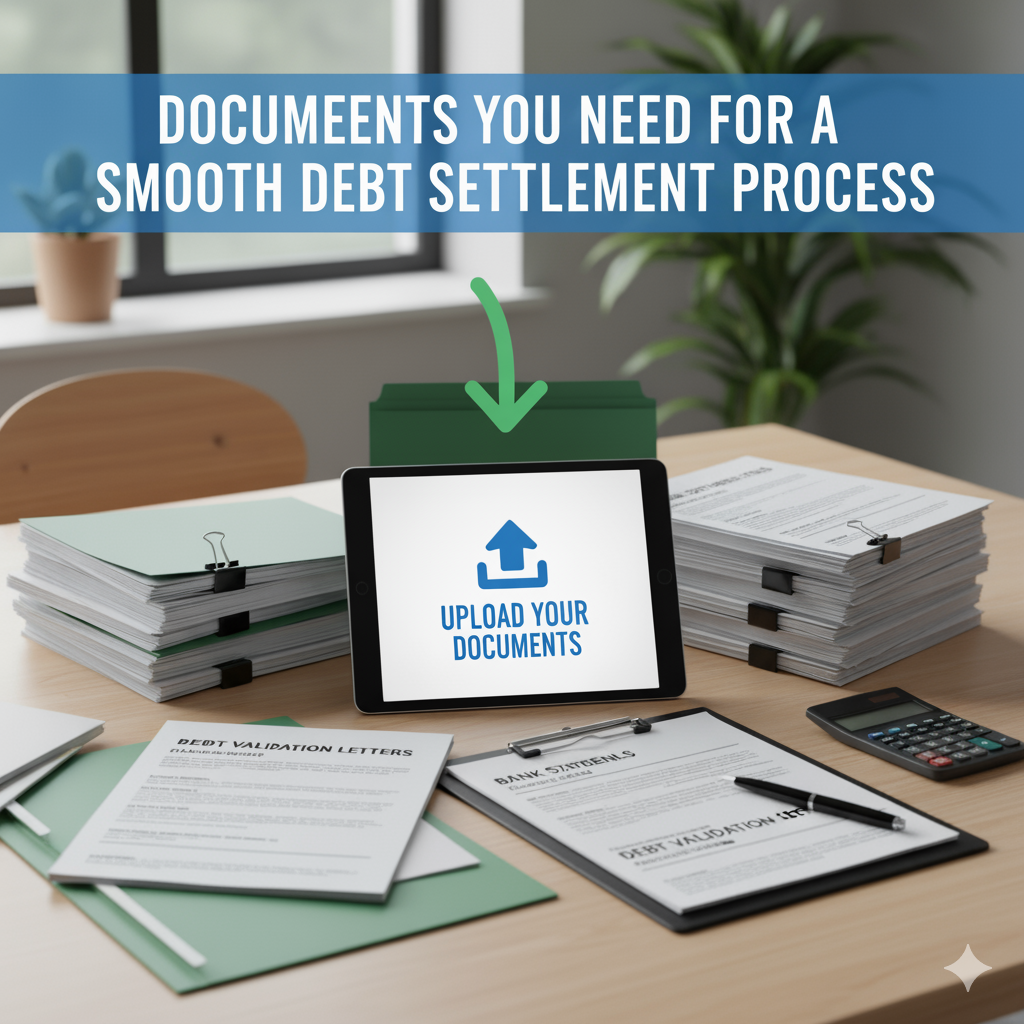
Never trust verbal promises. Every successful settlement must be secured by paper. Here is your essential document checklist, framed as a guide to protecting your rights and legally shutting down the collection cycle.
Phase 1: Documents to Justify and Initiate Your Defense
Before the bank accepts a reduced payment, you must prove that accepting anything less than the full amount is their only pragmatic option. These documents establish your financial distress.
Phase 2: The Pre-Payment Legal Contract (Your Ironclad Guarantee)
This is the most critical stage. DO NOT PAY A SINGLE RUPEE until you have this document in your hand. This formal letter dictates the terms of your peace.
Action Item: Insist on an official letter on the bank’s letterhead with authorized signatures. A simple email or WhatsApp message is worthless.
Phase 3: The Final Closure Documents (Your Forever Peace)
Once the lump sum is paid (and documented via bank transfer receipts/statements), you must collect two final pieces of evidence that guarantee the matter is permanently closed.
1. The No Dues Certificate (NDC)
This is your ultimate legal weapon. It is the bank’s official acknowledgement that all your obligations, as defined by the settlement agreement, have been fulfilled.
- How it Stops Harassment: Any agent who calls you a week, a month, or a year later must legally cease their activity the moment you present them with a copy of this document. It proves the debt is extinguished.
2. The Updated Credit Report (CIBIL Check)
Your battle is not over until the bank has correctly informed the Credit Bureau (CIBIL).
- Action Item: Within 45-60 days of the payment, pull your latest CIBIL report. The status for the settled account must be marked “Settled.”
- Why it Matters: If the bank fails to update the status, you are vulnerable to future issues. We ensure the bank completes this final, crucial step to protect your long-term legal standing.
Your debt settlement journey is a fight for legal closure. Every document is a piece of legal armour. Secure them correctly, and you secure your peace.